
— About

Nadir GHEZALI
Founder · Software Engineer
The project
NumidAI is an independent research and development project focused on autonomous wildfire detection at the edge.
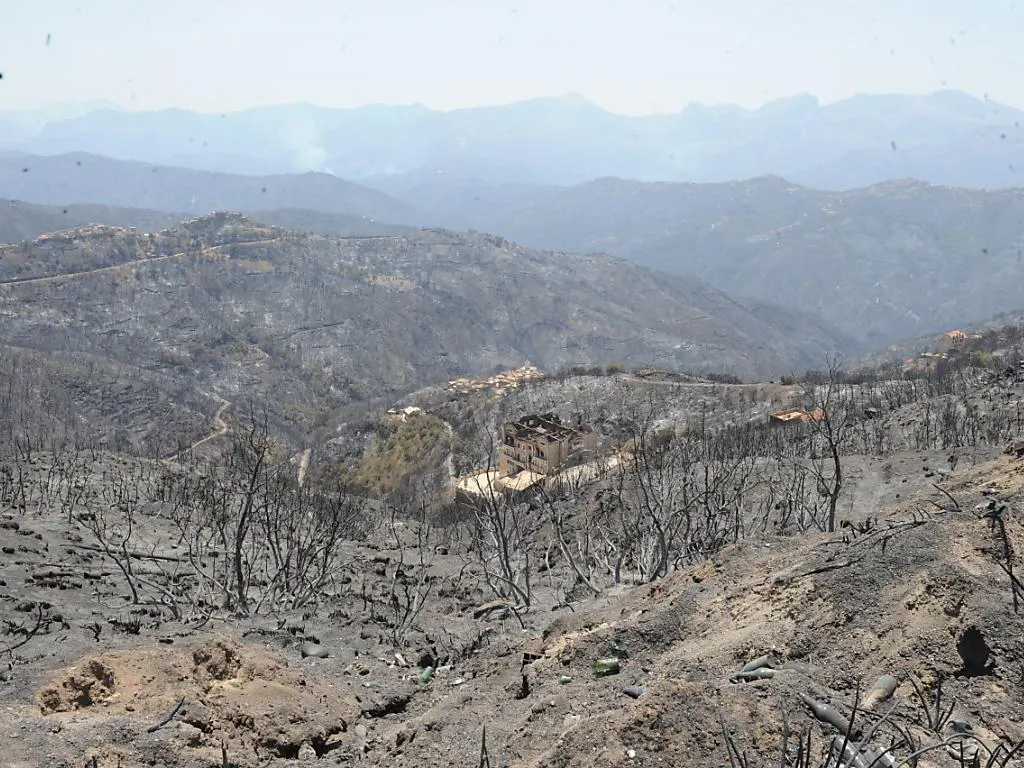
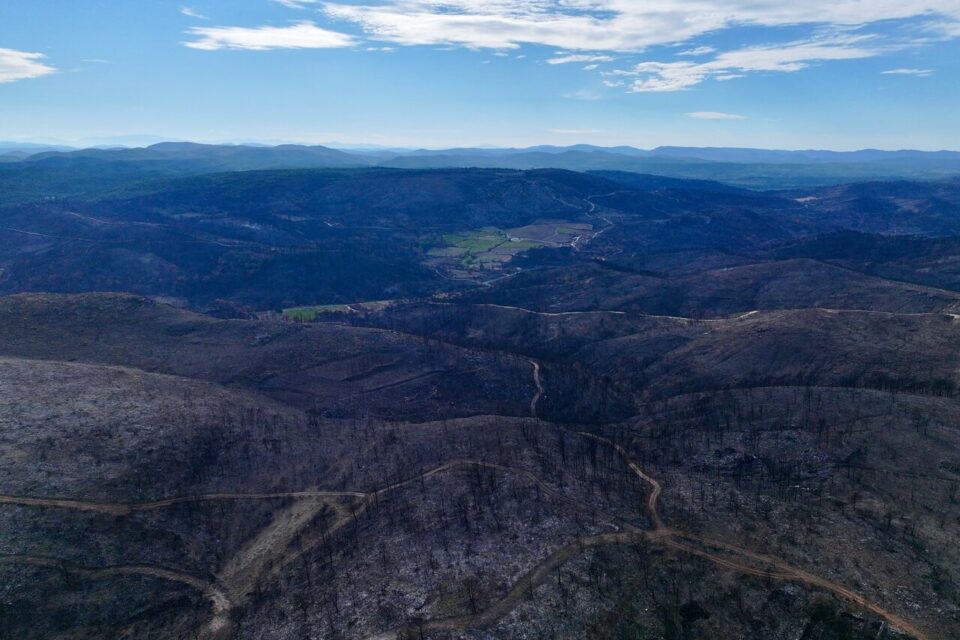
This project is personal. Wildfires cause devastating damage every year across the world — including in the region my parents are from, where lives have been lost and vast landscapes of olive groves have turned to ash.
Early detection is crucial in wildfire management. Catching a wildfire in its first minutes can mean the difference between containing a small blaze and losing large areas of vegetation and potentially lives.
Background
Experience
20+ years in embedded systems and real-time software. C++ and Linux specialist. Experience in video processing, edge computing, and software architecture.
Why NumidAI
NumidAI is the concrete application of embedded systems expertise to a problem that matters: early wildfire detection.
I have worked on every single aspect of the system — from initial specifications and requirements, through data engineering, model training and evaluation, to embedded integration and optimization on edge hardware.
Data — Dataset aggregation and curation at scale. Metadata taxonomy design. Hard negative mining. Model-assisted labeling. Stratified splitting with strict data leakage prevention.
Model — Recall-first detection strategy. Signal-aware training distribution. Threshold calibration under operational false-positive constraints.
Embedded software — Real-time C++ inference pipeline on edge hardware. Multi-threaded architecture with sub-100ms end-to-end latency. Multi-layer detection and semantic filtering.
Validation — Benchmarked on FIgLib (HPWREN), the academic reference for camera-based smoke detection, on the published state-of-the-art test split, in strict out-of-distribution: 100 % of fire events detected. Also exercised on hard sites and live streams worldwide (HPWREN, explore.org, Cannon Mountain), from 720p to 1080p, in grazing light and confuser-heavy scenes. Full protocol and result tables available on request. Operator web interface served by the module itself.
Everything else — System architecture, deployment strategy, field evaluation protocol, technical documentation, and this website.
A project built to validate a technical hypothesis on real hardware, using real data — now benchmarked against the published state of the art, and looking for the field.
Open to
- A field pilot: one monitored massif, one season, real operational streams — measuring the production false-alarm rate and early recall, the metrics that matter
- Real ignition footage captured by existing surveillance cameras, for complementary validation ahead of any deployment
- Technical collaboration in edge AI for environmental monitoring
- Feedback from practitioners working with wildfire camera networks